Cacio e Pepe Recipe: Creamy, Never Clumpy
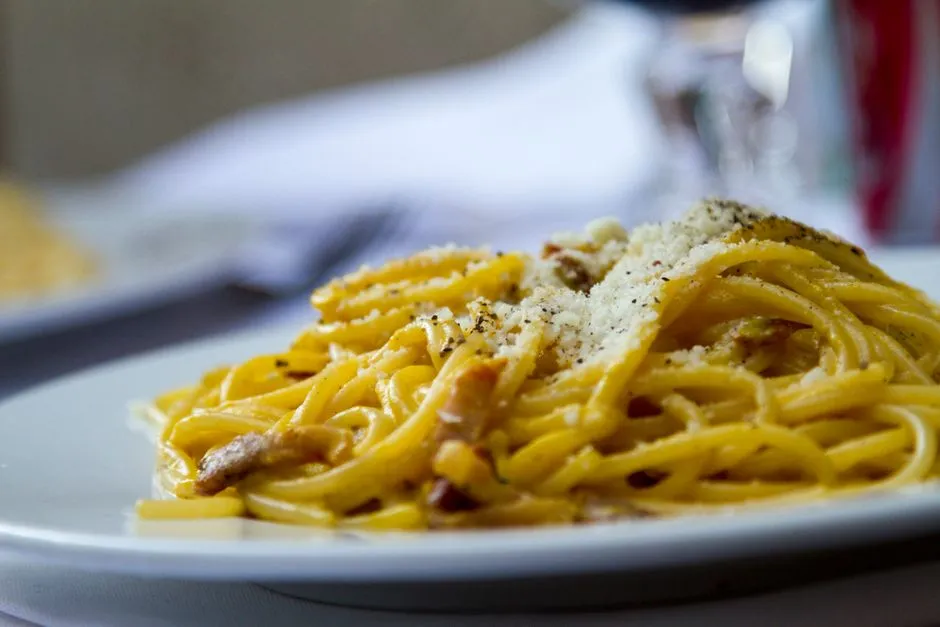
Cacio e pepe is a four-part emulsion
Cacio e pepe is Roman pasta made with Pecorino Romano, black pepper, starchy cooking water, and pasta. For two servings, use 200g (7 oz) spaghetti or tonnarelli, 80g (about 3 oz) finely grated Pecorino, and 1 teaspoon coarsely ground pepper. Cook the pasta in lightly salted water, toast the pepper, and stir slightly cooled pasta water into the cheese to make a thick paste. Toss everything off direct heat, adding water a spoonful at a time until the sauce is glossy.
There is no cream in that list. No butter is required either. The creamy sauce is an emulsion of cheese, water, and starch, which sounds simple because it is simple. It is not necessarily easy. Pecorino can go from velvet to a pan full of rubbery constellations in one overheated moment.
The solution is not a secret ingredient. It is temperature control, very finely grated cheese, concentrated pasta water, and quick mixing. Once those jobs are clear, cacio e pepe becomes a 20-minute dinner rather than a dairy-based trust exercise.
Cacio e pepe ingredients for two
| Ingredient | Amount | Why it matters |
|---|---|---|
| Spaghetti or tonnarelli | 200g / 7 oz | Long, sturdy pasta gives you time to toss |
| Pecorino Romano | 80g / 3 oz | Finely grated; the sauce and main seasoning |
| Black pepper | 1 tsp coarsely ground | Freshly ground for fragrance and bite |
| Fine salt | For the water | Use less than usual because Pecorino is salty |
| Pasta water | About 180ml / 3/4 cup reserved | Starch and water build the emulsion |
This makes two modest main-course servings. Scaling to four is possible, but two batches are easier to control in a home skillet. A crowded pan cools unevenly and asks you to toss a small rope bridge made of spaghetti.
Use Pecorino Romano, not a pre-shredded cheese blend. Grate it on the finest holes of a box grater or with a microplane until fluffy. Large dry shreds melt slowly and clump before the rest of the cheese can disperse. Pre-grated cheese can also contain anti-caking ingredients that make a silky sauce less cooperative.
Traditional versions use spaghetti or tonnarelli. Rigatoni works too, though it changes the experience. The correct shape is the one you can cook properly and toss confidently; authenticity is not improved by dropping half the pasta behind the stove.
Method: creamy cacio e pepe without clumps
1. Grate and temper the cheese
Put the finely grated Pecorino in a wide, warm-but-not-hot serving bowl. A wide bowl makes tossing easier and keeps the cheese away from direct burner heat.
2. Toast the pepper
Put the black pepper in a wide dry skillet over medium-low heat for 30 to 60 seconds, just until fragrant. Do not scorch it. Add about 120ml (1/2 cup) water and lower the heat. This pepper water will receive the pasta and collect more starch as it finishes cooking.
3. Cook in less water, salted lightly
Bring about 2 litres (roughly 2 quarts) of water to a boil and salt it lightly. A smaller volume becomes starchier as the pasta cooks, which gives the sauce more help. Stir well during the first minute so the strands do not stick.
Cook until about 2 minutes short of the package's al dente time. Before moving the pasta, reserve at least 240ml (1 cup) cooking water. Scoop some into a cup and let it stand for a minute; this slightly cooled portion is for the cheese paste.
4. Finish the pasta in pepper water
Transfer the underdone pasta to the skillet with tongs, bringing a little cooking water with it. Toss over medium-low heat, adding small splashes of reserved water until the pasta reaches al dente and the skillet holds a thin, starchy coating rather than a puddle. Turn off the heat.
5. Make the Pecorino paste
Add 3 tablespoons of the slightly cooled cooking water to the grated cheese and stir briskly. Add another tablespoon if needed. You want a smooth paste about as thick as softly whipped cream, not a watery sauce. If it forms small lumps, keep stirring and add water a teaspoon at a time.
6. Combine away from direct heat
Let the pasta pan stand off the burner for about 30 seconds, then add the cheese paste in two additions, tossing hard with tongs after each. Add reserved water one tablespoon at a time until the sauce flows around the strands and gathers into a glossy coating.
If the pan still feels fiercely hot, combine in the cheese bowl instead. Direct heat is the most common reason Pecorino seizes. The pasta supplies enough warmth to melt fine cheese; the burner is not invited to this final meeting.
7. Serve now
Divide between warm bowls, finish with more pepper and a little Pecorino, and eat immediately. The emulsion tightens as it cools. Cacio e pepe is not rude; it simply has no patience for a photo shoot.
Why cacio e pepe gets clumpy
Clumps are cheese proteins tightening together instead of dispersing through water and starch. Several mistakes can cause that:
- The pan is too hot. Cheese added over active heat can seize almost instantly.
- The water is boiling. Let the portion used for the cheese paste cool briefly.
- The cheese is coarse. Large shreds melt unevenly and gather together.
- There is too little water. A dry mass cannot emulsify; loosen it gradually.
- There is too much water at once. The sauce becomes thin before the cheese disperses.
- The pasta water is weak. Very large pots dilute the starch that helps the sauce bind.
- Mixing is timid. Tossing and stirring distribute cheese before it settles into lumps.
If you spot a few soft lumps early, pull farther from heat and add a teaspoon of cooler pasta water while tossing. A fully seized ball of cheese will not return to silk. Remove the worst clumps, finish the pasta with fresh finely grated cheese off heat, and call it a lesson that still tastes of Pecorino.
Fixing a sauce that is too thick or too thin
Too thick: add warm reserved water one tablespoon at a time and toss. The sauce should move; it should not sit on the pasta like plaster.
Too thin: toss for 20 to 30 seconds before adding more cheese. Movement and cooling may be all it needs. If it remains watery, add a small handful of finely grated Pecorino off heat and keep tossing.
Too salty: there is no elegant way to remove dissolved salt. Cook unsalted extra pasta to dilute the batch, or accept a salty dinner and use much less salt in the water next time. Pecorino does not need help in that department.
Too peppery: add more pasta and a little extra cheese. Pepper should be assertive, but the dish should not feel like a dare.
The role of pasta water
Pasta water does three jobs. It melts and disperses the cheese, carries starch released by the pasta, and adjusts sauce consistency without adding a new flavour. That starch is why a smaller pot and a final skillet toss are useful. It is also why plain hot tap water is not an equal substitute.
Reserve more than you think you need before draining. The perfect texture often takes one last spoonful, and discovering an empty pasta pot at that exact moment builds character nobody requested.
The water should be lightly salted. Pecorino Romano is already assertive, so the usual heavily salted pasta-water habit can push this dish over the edge. Taste the finished sauce before adding any salt at the table.
Cacio e pepe variations
The strict minimal version is pasta, Pecorino, pepper, and water. Common home variations include a little Parmigiano-Reggiano to soften the Pecorino's edge or butter to make emulsification more forgiving. They can be delicious; they produce a different balance.
If using a cheese blend, keep the total at 80g for two servings and start with half Pecorino, half Parmigiano. The sauce will be milder and slightly easier to melt. Cream is unnecessary and makes the dish heavier, but nobody from the pasta police is hiding in your pantry. Just name the adaptation honestly.
For another Roman technique challenge, our authentic carbonara uses egg, Pecorino, guanciale, and the same off-heat discipline. If you would rather let tomatoes do the work tonight, classic marinara is the calmer 30-minute route.
Storage and reheating
Cacio e pepe is best from the pan. Refrigerate leftovers promptly in a sealed container. Reheat gently in a skillet over low heat with a small splash of water, tossing until just warm. Expect a thicker, less glossy sauce; aggressive heat encourages it to split into oil and cheese.
Browse the rest of our pasta guides for technique-first recipes. This one asks for only a few ingredients, which means every ingredient must show up on time and behave. Fortunately, the cook gets to hold the tongs.