Marinara Sauce Recipe: Classic Italian in 30 Minutes
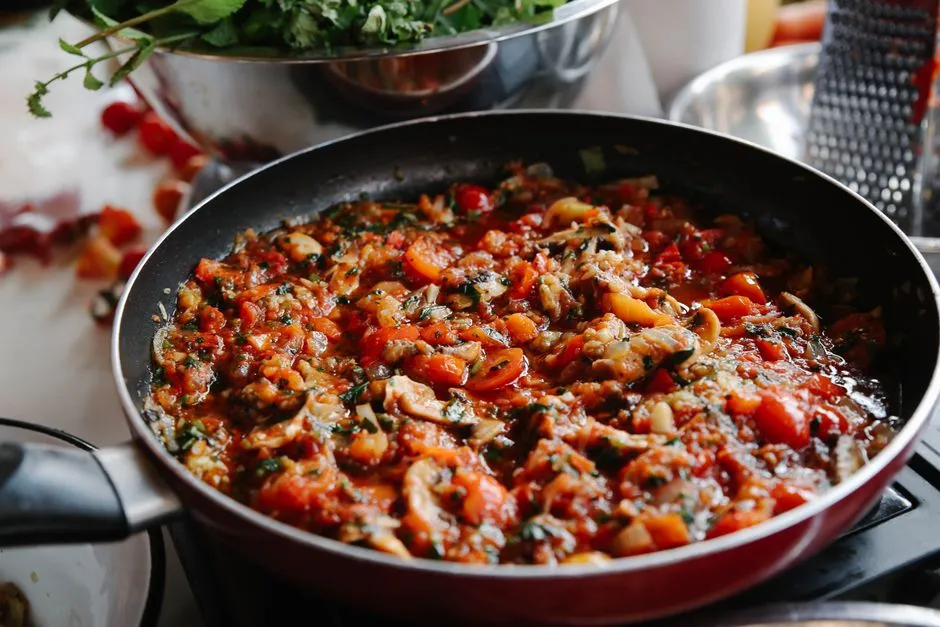
How to Make Classic Marinara Sauce in 30 Minutes
Marinara is a quick tomato sauce made from canned whole peeled tomatoes, olive oil, garlic, salt, and basil, simmered uncovered for 20 to 25 minutes. That is the whole recipe. It is not a slow-cooked Sunday sauce — the short simmer is the point, keeping the tomatoes bright and fresh-tasting rather than deep and jammy.
The base ratio to memorize: one 28-ounce (800 g) can of whole peeled tomatoes, 3 tablespoons (45 ml) olive oil, and 3 cloves of garlic. That yields roughly 2½ cups (600 ml) of sauce, enough to dress 1 pound (450 g) of pasta. It scales cleanly — double everything for two cans.
Ingredients
- 1 can (28 oz / 800 g) whole peeled tomatoes
- 3 tablespoons (45 ml) extra-virgin olive oil
- 3 garlic cloves, thinly sliced or lightly crushed
- ½ teaspoon fine salt, plus more to taste
- A few fresh basil leaves (or a pinch of dried oregano)
- Optional: a pinch of red pepper flakes
Buy whole peeled tomatoes, not pre-diced or pre-crushed. Whole tomatoes are generally packed from better fruit, and crushing them yourself gives you the coarse, saucy texture marinara should have. San Marzano tomatoes are excellent, but any good whole peeled tomato that tastes sweet-tart from the can will make a fine sauce.
Method
- Crush the tomatoes. Pour the can into a bowl and crush the tomatoes by hand into rough pieces, or snip them with kitchen shears right in the can. Keep all the juice.
- Bloom the garlic. Warm the olive oil and garlic together in a wide pan over medium heat, starting from cold. Cook 2 to 3 minutes until the garlic is fragrant and barely golden. If it browns, start over — burnt garlic turns the whole sauce bitter.
- Add tomatoes and salt. Pour in the tomatoes and juice (add the pepper flakes now if using), stir in the salt, and bring to a lively simmer.
- Simmer uncovered, 20 to 25 minutes. Stir occasionally. The sauce is done when it has thickened enough that a spoon dragged through it leaves a brief trail and the raw, tinny taste of the can is gone.
- Finish. Off the heat, tear in the basil and taste for salt. If the tomatoes are aggressively acidic, a small pinch of sugar is a legitimate fix — but taste first.
A wide skillet or sauté pan matters more than people expect: more surface area means faster evaporation, which is how the sauce reduces properly in under half an hour. In a narrow saucepan the same recipe can take 40 minutes or more.
Marinara vs. Tomato Sauce: What's the Difference?
The two terms get used interchangeably in the US, but they describe different sauces.
| Marinara | Slow-cooked tomato sauce | |
|---|---|---|
| Simmer time | 20–30 minutes | 1 hour or more |
| Texture | Loose, slightly chunky | Thick, smooth, concentrated |
| Flavor | Bright, fresh, garlicky | Deep, sweet, mellow |
| Typical extras | Basil, sometimes oregano | Often onion, carrot, sometimes butter or meat |
Marinara is the sauce you make while the pasta water heats. Long-cooked sauce is a different dish with a different purpose. Neither is "more authentic" — they simply are not the same thing.
How Long Should Marinara Simmer?
20 to 25 minutes at a steady, visible simmer is the target for a single 28-ounce can. Under 15 minutes and the sauce tastes raw and watery; past 40 minutes you have left marinara territory and are making a concentrated long-cooked sauce. If you double the recipe, expect closer to 30 minutes, since a larger volume reduces more slowly.
Storage and Uses
Marinara keeps 4 to 5 days refrigerated in a sealed container, or about 3 months frozen — freeze it flat in zip-top bags and it thaws in minutes. Beyond pasta, it is the right sauce for chicken or eggplant Parmesan, a dipping sauce for mozzarella sticks, and a base you can build on with olives, capers, or anchovies.
Where Marinara Fits
Marinara is the first sauce to master because it teaches the core skills — blooming garlic in oil, reducing tomatoes, seasoning in stages — that every sauce in the Italian repertoire builds on. From here, the natural next steps are the other foundational Italian sauces, or a dish that runs on technique rather than tomatoes at all: our authentic carbonara recipe uses just four ingredients and no cream, and it pairs well with marinara in a week's cooking because the two share nothing but pasta.